
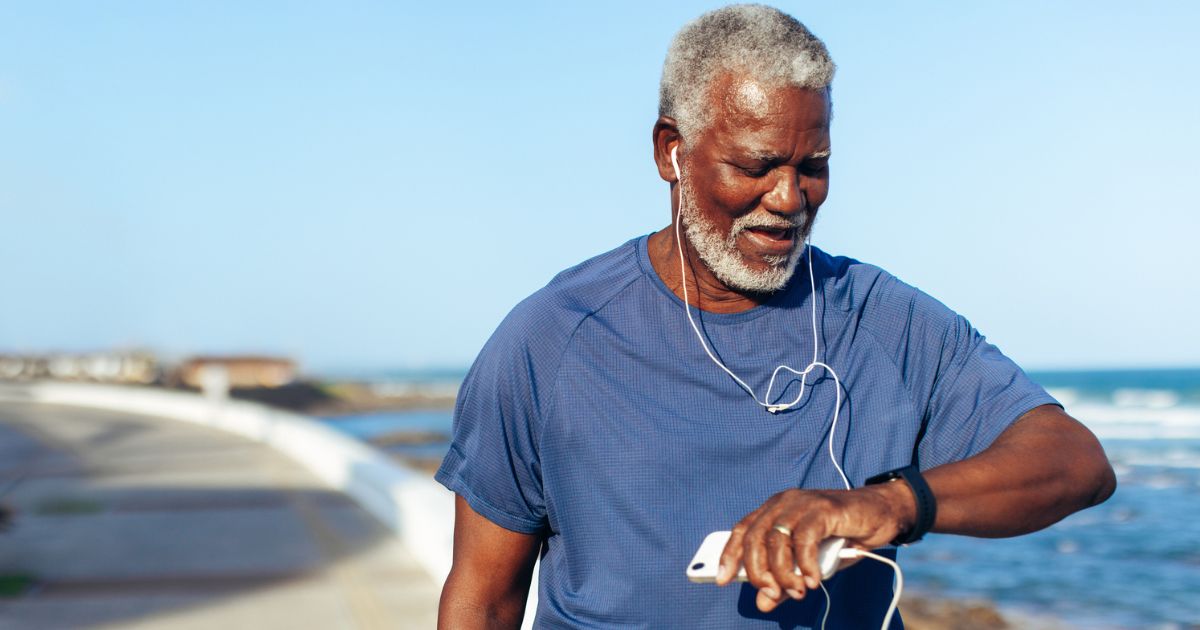
Many older adults are turning to wearable health devices because they offer simple ways to stay safe, monitor daily health, and stay connected to the people who support them. For seniors who want to live independently while feeling supported, wearables can add an extra layer of confidence to everyday life.
What Are Wearable Health Devices?
These are small, easy-to-wear tools that track health information, detect emergencies, or provide reminders that support day-to-day safety. They provide you with a simple way to understand your health, while helping families and care teams stay informed.
Wearable health devices come in various forms, including smartwatches, fall detection devices, medical alert systems, GPS trackers, and sleep monitoring devices.
How Do Wearable Devices Help Older Adults Stay Safe and Healthy?
Wearables provide real-time information that helps seniors, families, and care providers make safer decisions. They collect simple health data, alert someone during an emergency, and offer early clues that something may be changing with a person's well-being.
Fall Detection and Emergency Alerts
These tools are most helpful for individuals who live alone, have balance issues, or have a history of falls.
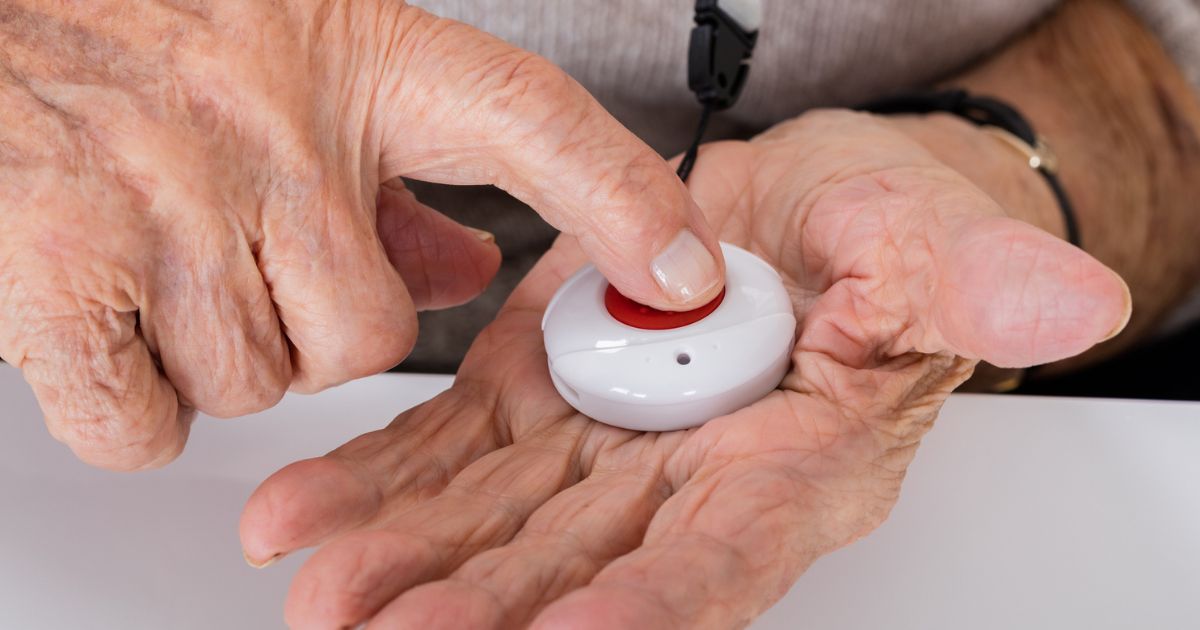
There are two types: automatic fall detection and button-triggered alerts.
Automatic fall detection devices look for sudden changes in movement, impact, or position. When the device senses a possible fall, it sends an alert to a caregiver, call center, or emergency contact. Automatic detection is helpful because it works even if the person cannot press a button.
However, it is not perfect. Sudden movements can trigger false alerts, and some slow falls may not register as an emergency.
Button-triggered alerts are more reliable for intentional calls for help, but they depend on the person being awake, aware, and able to reach the device.
GPS Trackers
GPS tracking for seniors is particularly useful for individuals living with memory loss conditions. These devices can show a loved one's location during a walk, a trip to the store, or a moment of confusion. Families often use them to respond faster when someone wanders or gets lost.
GPS tools work best outdoors, where satellites are easier to reach. Indoors, accuracy can drop because walls and roofs block signals. The device may show a general location rather than an exact spot, so caregivers often use GPS as one layer of safety rather than a complete solution.
Health Tracking
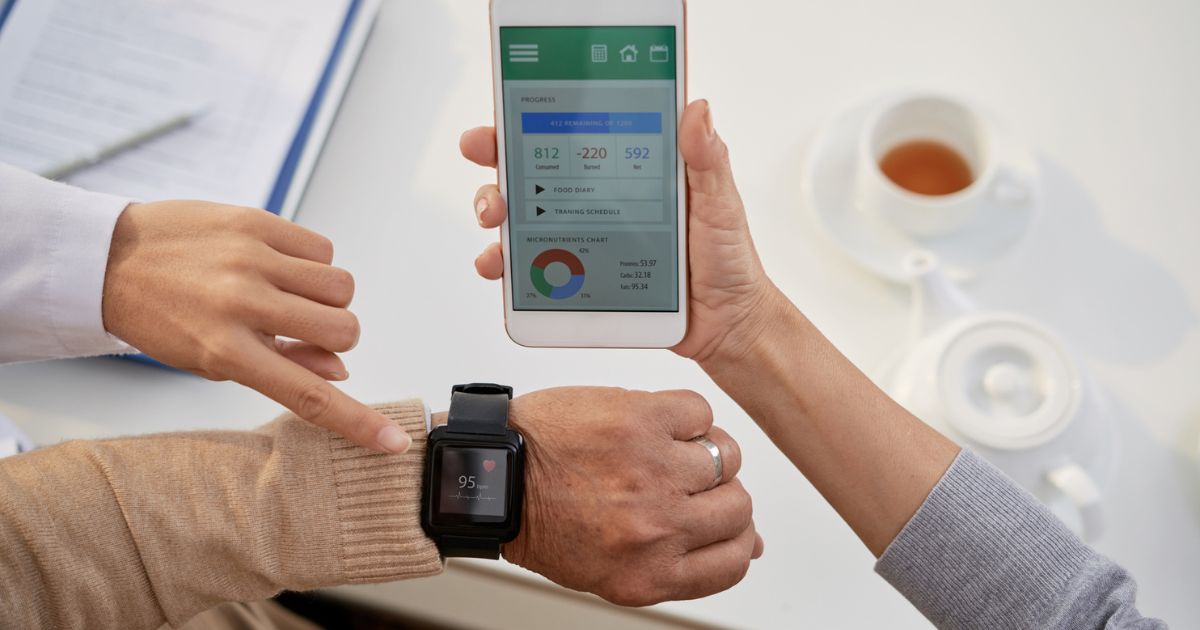
Many wearable tools track heart rate, step count, and oxygen levels fairly well for everyday use. These numbers can show patterns, such as rising heart rates during everyday activities or lower oxygen levels during sleep. This information can help older adults notice changes earlier and share concerns with their care teams.
Consumer devices, though helpful, still fall short of medical-grade monitors. At-home blood pressure monitors, for example, can help spot trends but may give inconsistent readings if the cuff is not placed correctly or if the person moves during the reading. Seniors should use them as a guide, not as a replacement for a doctor's evaluation.
Sleep Monitoring
Sleep monitoring devices can track how long someone sleeps, how often they wake up, and whether their sleep is restless. This is helpful for spotting habits that affect daytime energy or mood.
However, these devices cannot measure sleep stages as precisely as clinical sleep studies. Movements like shifting in bed or getting up for water can confuse the device.
For older adults with chronic pain or limited mobility, the sensors may also assume they are asleep when they are simply resting still. These tools are most valuable for general patterns rather than detailed medical information.
What to Look for in a Wearable Health Device
A good device should be easy to understand, comfortable to wear all day, and sturdy enough to withstand daily use.
Easy to Use and Comfortable
Older adults often do best with devices that feel natural to wear and are simple to operate.
- Clear screens, one-touch buttons, and loud, easy-to-notice alerts make the device less stressful to manage.
- Soft bands, lightweight casings, and adjustable straps also help the device remain comfortable during extended use.
Accurate and Reliable
Wearables are helpful when the numbers they provide are steady and predictable.
- Trends like rising heart rate, frequent nighttime waking, or fewer daily steps can be trustworthy signals to share with a care provider.
But some information is better viewed as general guidance. Oxygen levels, irregular heartbeat alerts, or blood pressure estimates may fluctuate if the device shifts on the wrist or is not positioned well.
Always remember that these tools offer helpful clues, not medical decisions.
Long Battery Life and Durable
A device is only useful when it stays powered.
- Long battery life helps you avoid frequent charging and reduces the chance of the device dying during important moments.
- Waterproof casings protect the device during handwashing or light rain, and shock-resistant shells help prevent damage if the device is dropped.
Connectivity With Remote Health Monitoring
Many wearable tools can share data with care teams, which helps them spot patterns or changes sooner. This type of remote health monitoring can support safer independence and better care planning.
- Devices may connect through Wi-Fi, cellular service, or Bluetooth. Wi-Fi works well at home, cellular helps during outdoor walks, and Bluetooth pairs the device with a phone or tablet.
The right choice depends on your habits and daily routines.
Bonus: Medication Reminders
Some watches and apps include reminders to take medications. These prompts can light up the screen, sound an alert, or send a message to a caregiver. They work well for seniors who already wear a device every day.
Still, a physical pill organizer may be better for people who prefer visual sorting, take multiple medications at different times, or do not like wearing a device for long periods.
5 Wearable Health Devices for Seniors (and What Each Gets Right)
Each type supports safety and independence differently, so the right choice depends on your needs and routine.
Smartwatches and Health Watches
Pros: These watches track heart rate, steps, and oxygen levels. They can also send notifications, offer simple medication reminders, and share health trends with families or care teams.
Cons: The screens can be small, making it harder to read numbers. They also require frequent charging and may not be accurate for complex measurements like blood pressure or irregular heartbeat detection.
Works best for: Seniors who are comfortable with technology and enjoy checking their own health information throughout the day.
Fall Detection Devices
Pros: These tools can send automatic alerts when they sense a fall. Many have simple designs with one or two buttons, making them easy to use.
Cons: Sudden movements may trigger false alarms, and coverage can be limited in areas with weak cellular or Wi-Fi signals.
Works best for: Seniors with balance issues, mobility challenges, or anyone who lives alone and needs quick access to help.
Medical Alert Systems (With or Without GPS)
Pros: These systems connect directly to trained emergency teams. Some versions include GPS for outdoor safety, while others focus on in-home support.
Cons: Most require a monthly fee. They also rely on the person remembering to wear the device, which can be a challenge for people with memory loss.
Works best for: Seniors with chronic health conditions or those who want direct access to emergency support at all times.
GPS Tracking Wearables
Pros: GPS tools help caregivers locate a loved one if they wander or get disoriented during daily activities.
Cons: GPS signals are weaker indoors, making it harder to pinpoint exact locations. These devices also consume battery life more quickly when tracking continuously.
Works best for: Seniors with dementia, Alzheimer's disease, or anyone with a history of getting lost during walks or errands.
Dedicated Health Monitors (Blood Pressure, Pulse Ox)
Pros: These stand-alone devices are usually more accurate than smartwatches for measuring blood pressure, oxygen levels, or heart rate. They work well for spotting trends or sharing readings with a doctor.
Cons: They are not wearable all day, so they cannot track continuous data or detect emergencies.
Works best for: Seniors who need dependable daily health management and clear readings for medical appointments or long-term treatment plans.
Choosing the Right Wearable Device for Your Needs
Each device offers something different, and the most helpful choice depends on what kind of support you need to stay safe and confident.
Contact Keystone Health or call us at (208) 514-0670 to find the right combination of wearable tools and hands-on care. Our team can help interpret device data, support daily routines, and provide in-home assistance that strengthens safety and independence.

