
Caring for an aging parent or loved one from afar can be both emotionally and logistically challenging. Fortunately, today's technology, community resources, and professional care services make it possible to stay connected and confident no matter the distance.
What Is Long-Distance Caregiving?
Long-distance caregiving refers to coordinating and supporting an older person's health and daily needs when you live more than an hour away from them. A long-distance caregiver may not be physically present every day, but their role is just as important as someone providing hands-on assistance.
In the United States, millions of people fill this role. According to the National Institute on Aging, roughly 15 percent of caregivers live more than an hour away from the person they assist. These individuals frequently balance caregiving with full-time jobs, raising children, or managing their own households.
Common Challenges of Long-Distance Caregiving
Distance adds layers of complexity: from communication gaps to medical coordination and emotional stress. Even with technology and local support, caring for an older parent or family member long-distance can feel unpredictable and overwhelming. Recognizing these challenges helps you plan and find realistic solutions.
Limited Visibility
One of the biggest challenges of long-distance caregiving is not being able to see things firsthand. You may notice changes in your loved one's voice or mood over the phone, but it is more challenging to assess their overall health, mobility, or home safety without being there in person.
As a result, long-distance caregivers often depend on updates from neighbors, doctors, or in-home aides. This secondhand information is helpful, but it does not always capture the complete picture of how your older family member is doing on a day-to-day basis.
Communication Barriers
Coordinating care from a distance relies heavily on consistent communication, and even small gaps can lead to misunderstandings. Missed updates after medical visits or confusion about new prescriptions can create unnecessary worry or mistakes in care.
Long-distance caregivers often need to stay organized by keeping shared records or using digital tools to track appointments, medications, and contact information for healthcare providers.
Emotional Strain
The emotional side of long-distance caregiving can be just as challenging as the practical side. Many caregivers experience guilt or anxiety about not being there in person, even when they are doing everything possible to help. Balancing this responsibility with work and family life can also lead to fatigue and stress.
Caregivers need to seek support, whether through counseling, support groups, or simply sharing the load with other family members.
Crisis Management
Handling emergencies from a distance is one of the most stressful aspects of long-distance caregiving. When a loved one falls, is hospitalized, or experiences a sudden change in health, caregivers must make quick decisions without being physically present.
Having an emergency plan, updated medical records, and local contacts makes these situations easier to manage. Setting up remote-monitoring tools or alert systems provides the peace of mind that you can respond quickly when something unexpected occurs.

Strategies for Managing Long-Distance Care
With thoughtful planning, clear communication, and reliable tools, you can deliver consistent, compassionate support, even from a distance.
1. Build a local care network.
A strong local network is the foundation of effective long-distance caregiving. Identify a few trusted contacts (such as neighbors, friends, or local volunteers) who can check in regularly and alert you to any changes or concerns.
Share phone numbers, establish backup contact plans, and keep everyone informed about your elderly parent or family member's needs and routines. Having this circle in place makes sure someone is always nearby if help is needed.
2. Stay organized digitally.
Technology makes managing care from afar easier. Keep shared digital folders or caregiving apps that store important documents, including medication lists, insurance cards, doctor contact information, and power of attorney forms.
This approach enables family members to access up-to-date information instantly to reduce confusion during emergencies. Also consider tracking appointments, prescriptions, and expenses using shared calendars or spreadsheets to maintain transparency and coordination.
3. Schedule regular communication.
Consistent communication keeps everyone connected and informed. Schedule weekly video calls with your loved one to check in and share meaningful time together. After medical appointments, check in with other caregivers or providers to receive updates and determine next steps.
If multiple family members are involved, rotate "check-in duties" to share responsibilities and prevent burnout. A simple communication plan ensures that no detail is overlooked and that your older family member feels supported.
4. Visit with purpose
When you can visit in person, plan each trip thoughtfully. Use the time to review medications, assess home safety, and meet with healthcare providers to discuss progress and address any new concerns.
Visits are also a good opportunity to update care plans, review financial or legal documents, and reconnect emotionally. By approaching visits with clear goals, you can maximize your time together and return home feeling reassured and informed.
Read Helping Seniors Age in Place: Strategies for Families and Caregivers for more information.
Using Technology to Bridge the Gap
Remote monitoring and smart home tools now provide caregivers with real-time insight and the ability to respond when something changes, without always needing to be physically present.
Health Monitoring Tools
Modern health devices make it easier to track wellness from afar. Wearable monitors and smart home systems can track vital signs, including blood pressure, heart rate, and glucose levels. Some even include medication reminders or daily wellness check-ins.
Many of these tools connect to mobile apps that automatically share readings with family members or healthcare providers, allowing everyone involved to stay updated and aligned. For long-distance caregivers, these tools provide reassurance and early warning if health concerns arise.
Home Safety and Alert Systems
Safety is one of the top concerns for long-distance caregiving. Smart home technology now offers simple ways to help prevent emergencies or detect them faster. Motion or fall sensors can alert you if unusual activity occurs, while smart door sensors track when your loved one leaves or returns home.
Emergency pendants and voice-activated alert systems also allow seniors to call for help instantly, even if they are unable to reach the phone. These remote caregiving solutions significantly reduce worry while improving safety and independence at home.
For more information, read Senior Check-In Services and Best Practices.
Communication and Coordination Apps
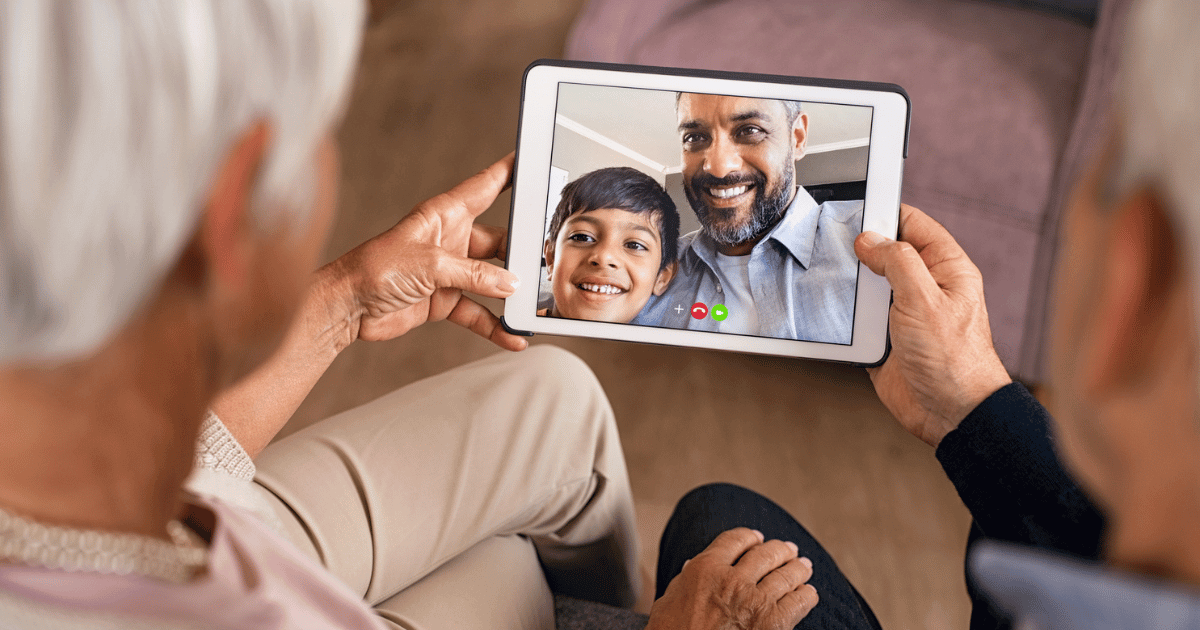
Staying connected goes beyond phone calls. Video calling platforms help maintain meaningful, face-to-face conversations so you can visually check on your parent or family member's well-being. Care management apps can log visits, track prescriptions, or share daily updates among multiple caregivers.
By centralizing information, these tools keep everyone informed, minimize confusion, and make collaboration smoother for families providing long-distance care.
Partnering with Professional Home Health Providers
Technology is powerful, but human care remains essential. Partnering with professional home health providers like Keystone Health can bridge the distance by combining compassionate in-person care with digital communication.
Keystone Health offers regular in-home visits, health monitoring updates, and coordination with physicians and family caregivers. This partnership ensures your loved one receives attentive, professional care, while you stay informed and connected.

When to Seek Professional Help
Sometimes, long-distance caregivers need extra hands on the ground to maintain safety and quality of life. Even the most organized families reach a point where professional support becomes essential for their loved one's well-being.
You may want to consider adding home healthcare services if you notice:
- Frequent falls or hospital visits. These can indicate that your aging parent or family member requires more consistent supervision or physical support.
- Declining memory or confusion. Forgetfulness, missed appointments, or disorientation may indicate the need for specialized cognitive or dementia care.
- Missed medications or hygiene concerns. Difficulty keeping up with daily routines often means extra help is needed to stay healthy and comfortable.
- Family caregiver burnout or overwhelm. When managing responsibilities from afar becomes too stressful, outside support can help restore balance.
Professional home health services provide the continuity, consistency, and oversight that remote family members may struggle to provide on their own. A trusted team can monitor your loved one's condition, assist with daily activities, and communicate changes directly to family and physicians.
Discover more about Keystone Health's Home Health Services and how our coordinated approach helps families manage care from anywhere.
Helpful Resources for Long-Distance Caregivers
These organizations and guides offer valuable tools, checklists, and caregiver support networks to help you stay informed and prepared. Whether you are just starting this journey or have been managing care for years, these sources serve as your handbook for long-distance caregiving.
- The Alzheimer's Association Long-Distance Caregiving Guide is a comprehensive resource for families supporting loved ones with Alzheimer's or dementia. It includes safety checklists, communication strategies, and planning tools tailored to cognitive care.
- The National Institute on Aging's Caregiving Resources and Safety Tips offer evidence-based guidance on aging, caregiver self-care, and health management.
- AARP Family Caregiving Resource Center provides printable checklists, legal and financial planning tools, and step-by-step guides for caregivers at any stage.
- Keystone Health In-Home Health Services helps families seeking dependable in-home care with compassionate, professional services that bridge the gap for long-distance caregivers. Their team can assist with care planning, coordination, and ongoing communication with family members.
Staying Connected, Even From Afar
Distance does not have to mean disconnection. With the right tools and support, you can stay involved through consistent communication, reliable technology, and professional partnerships.
Learn more about how Keystone Health supports long-distance caregivers with compassionate, professional care designed to bridge the distance and bring families closer together.

