
Stress does more than make you feel tense. Over time, it can change how the body and brain work, leading to real health problems that affect independence and quality of life. This is why stress management for older adults is so important.
The Long-Term Impact of Stress on Senior Health
Chronic stress touches every part of life, from physical health and cognitive ability to emotional stability and social connection.
Physical Effects
Chronic stress keeps stress hormones high. That can raise blood pressure and strain the heart. It also weakens immune defenses, making it harder to fight infections and calm inflammation. Poor sleep often follows, which adds to fatigue, mood changes, and higher disease risk.
Cognitive Effects
High, prolonged cortisol in older adults is linked with smaller hippocampal volume (the brain's memory center) and worse memory performance. Large cohort studies also associate higher perceived stress with greater odds of cognitive impairment and increased risk of dementia over time. Stress and depression often travel together and compound that risk.
Emotional and Social Effects
Stress can manifest as irritability, worry, low mood, or trouble focusing. Many people start withdrawing from friends and activities, which leads to isolation and a drop in overall elderly wellness. Social withdrawal then feeds more stress, creating a hard-to-break cycle.
Why Stress is Different for Seniors
Seniors face challenges unique to aging, and their bodies often respond differently to pressure and worry. Understanding these differences makes it easier for seniors to choose the right coping strategies and relaxation techniques.
Common causes of stress in seniors
- Loss of independence: Needing help with daily activities, giving up driving, or moving to assisted living can feel overwhelming.
- Health concerns: Chronic illness, pain, or frequent medical appointments add a steady source of stress.
- Financial worries: Living on a fixed income or managing unexpected expenses creates uncertainty.
- Caregiving responsibilities: Many seniors also care for a spouse or family member, bringing emotional and physical strain.
- Loneliness: Outliving friends, losing a partner, or reduced mobility can isolate older adults.
Lifestyle Approaches to Stress Management for Older Adults
Managing stress does not always require medication. Many seniors find relief through simple lifestyle changes that calm the mind, support the body, and build stronger connections with others. These approaches can be adapted to fit individual needs and abilities, making them accessible and effective for older adults.
Mind-Body Practices
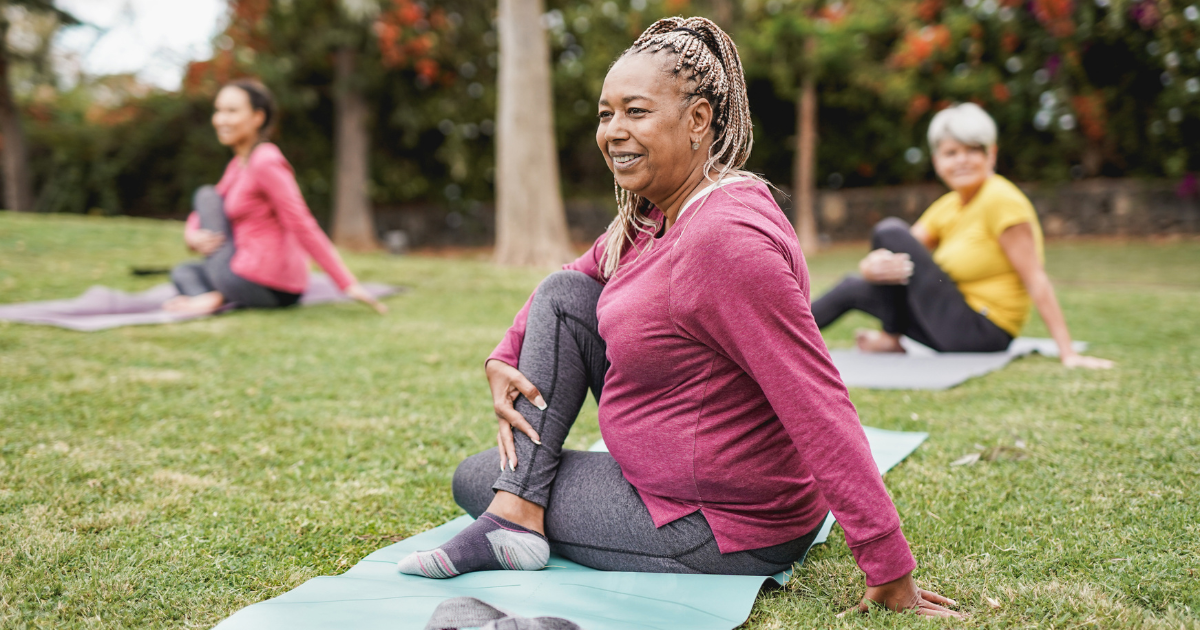
Yoga for seniors: Gentle stretching and balance-focused poses improve flexibility while easing muscle tension. Even chair yoga lowers stress and brings a sense of calm.
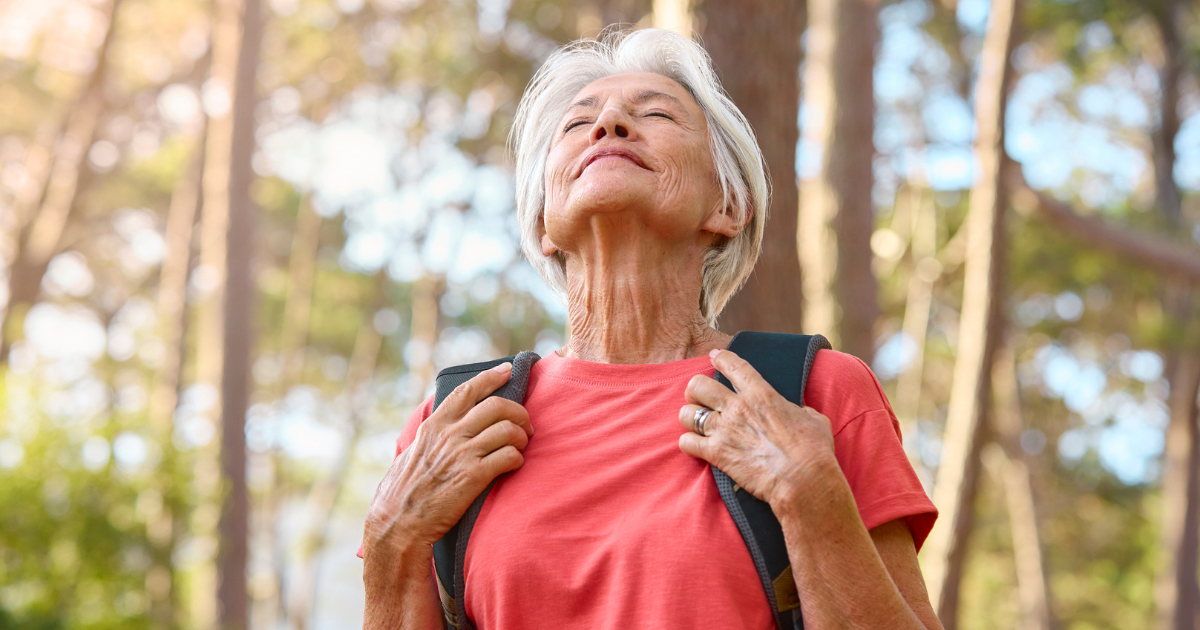
Breathing exercises for seniors: Simple techniques like diaphragmatic breathing or box breathing help slow the heart rate and reduce anxious thoughts. These practices can be done anywhere, even during short breaks throughout the day.
Mindfulness for seniors: Guided meditation, body scans, or quiet reflection help older adults stay present, reduce worry about the future, and improve emotional well-being.
Creative and Expressive Outlets
Art therapy: Painting, drawing, music, or crafting allows seniors to process feelings nonverbally. These activities also provide a sense of accomplishment and joy.
Journaling: Writing down thoughts or recording daily gratitude lists helps organize emotions, reduce rumination, and provide clarity during stressful times.
Check out Music Therapy in Geriatric Care and The Benefits of Pet Therapy for more creative and expressive outlet ideas.
Social Engagement and Support
Staying socially connected is one of the most powerful coping strategies for older adults.
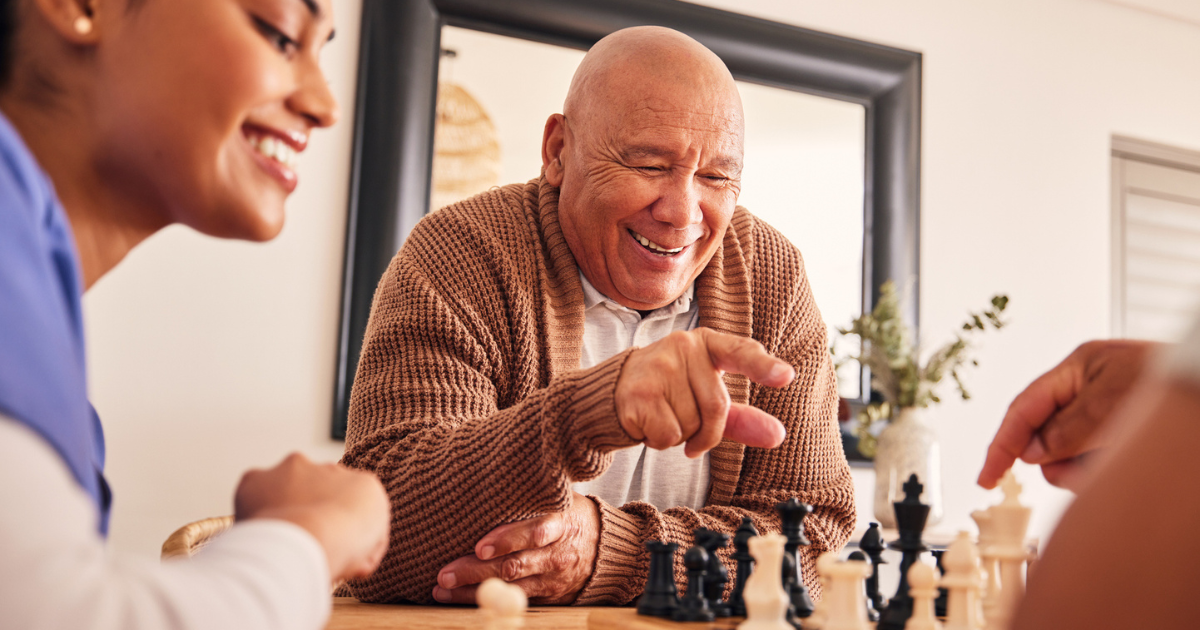
Regular community interaction, such as attending classes, faith-based activities, or group outings, reduces loneliness and builds resilience.
Support groups, volunteer programs, and intergenerational activities give seniors a sense of purpose and belonging while easing stress through shared experiences.
Professional and Medical Support Options
Sometimes lifestyle changes are not enough.
It may be time to seek professional help if stress leads to ongoing anxiety, depression, or health issues. Counseling and cognitive behavioral therapy (CBT) provide seniors with tools to manage thoughts and emotions more effectively.
Senior-focused wellness programs also create structured support tailored to the needs of older adults.
Keystone Health's home healthcare services add another layer of care by offering in-home support, guidance, and structure. This eases the stress of managing health challenges alone and provides families with peace of mind.
Together, these lifestyle strategies empower seniors to take control of stress in manageable and meaningful ways.
Building Long-Term Stress Resilience
Managing stress day by day is essential, but building long-term resilience helps seniors stay balanced even when new challenges arise.
Create a Daily Routine
Consistency provides a sense of security and control. Add simple relaxation practices (like breathing exercises, gentle yoga, or short mindfulness sessions) to your daily routine. Try to schedule them for the same time daily to make it easier to stick with. When practiced regularly, even five to ten minutes of calm activity can reduce stress.
Pair Relaxation with Healthy Habits
Stress management works best when paired with overall wellness. Seniors benefit from:
- Nutritious meals: A balanced diet supports energy and mood.
- Light exercise: Walking, stretching, or tai chi helps regulate stress hormones and improve sleep.
- Good sleep hygiene: A set bedtime, quiet evening routine, and a comfortable sleep environment allow the body and mind to recover.
When relaxation techniques are combined with these healthy lifestyle choices, stress relief lasts longer and feels more natural.
Adapt as Needs Change
Aging brings changes in health, mobility, and daily routines. Coping strategies that worked at one stage of life may need to be adjusted later.
For example, a senior who once enjoyed group yoga may shift to chair yoga or guided meditation at home. The key is flexibility: Choosing approaches that fit current abilities and keep stress levels manageable.
By building resilience with steady routines, supportive habits, and adaptable practices, seniors can maintain calm and confidence even through life's transitions.
The Path to Healthier, Calmer Aging
Stress in seniors is different from that in younger adults, but it can be managed with the right tools.
Keystone Health is here to help. From in-home healthcare services to personalized wellness support, our team provides seniors and their families with the resources to reduce stress and improve quality of life.

