

Good mobility supports more than just movement. It improves heart health, balance, mood, and overall quality of life. When seniors stay active, even with small daily movements, the body and brain both benefit in ways that help maintain long-term independence.
Also, adults who stay active after the age of 65 are less likely to experience falls or hospitalizations. This means that even small efforts to keep active make a difference in long-term safety and independence.
Common Causes of Reduced Mobility in Older Adults
Understanding what limits mobility helps identify the best path to improvement.
Physical Factors
Many older adults experience changes in their bodies that make movement feel more challenging.
Arthritis causes joints to become stiff or painful, while muscle weakness affects strength during everyday tasks. Balance disorders and neuropathy cause unsteady steps, increasing the risk of falls. After surgery, it is also normal to experience some loss of mobility while the body heals.
Chronic conditions like diabetes or heart disease also affect stamina and coordination. When the heart or nerves are not working at their best, simple activities such as walking across the room or standing up from a chair may feel tiring.
These physical factors often overlap, which is why consistent movement is important for improving mobility for older adults.
Environmental and Lifestyle Factors
Daily habits and surroundings also play a big role. A sedentary lifestyle weakens muscles over time, especially when someone spends most of their day sitting. Limited access to safe places to exercise adds to the problem.
Home setup matters too. Improper footwear, cluttered hallways, or uneven flooring make walking unsafe. These small hazards may cause hesitation or reduce confidence.
Some medications also cause dizziness or fatigue, which affects a person's sense of balance and stability.
By addressing these issues, daily movement becomes easier and safer for older adults.
Psychological Factors
Mental and emotional health influence mobility just as much as physical factors. Fear of falling can cause seniors to reduce their physical activity, even when they are capable of engaging in gentle exercises. Worry about pain may lead them to avoid exercises that could actually help them feel better.
Depression or low motivation can reduce daily movement as well. When someone feels withdrawn or tired, it is much harder to stay active.
Addressing these psychological factors is an essential part of supporting long-term mobility for seniors because it helps build confidence and encourages steady, safe movement.
Gentle Ways to Improve Mobility at Home
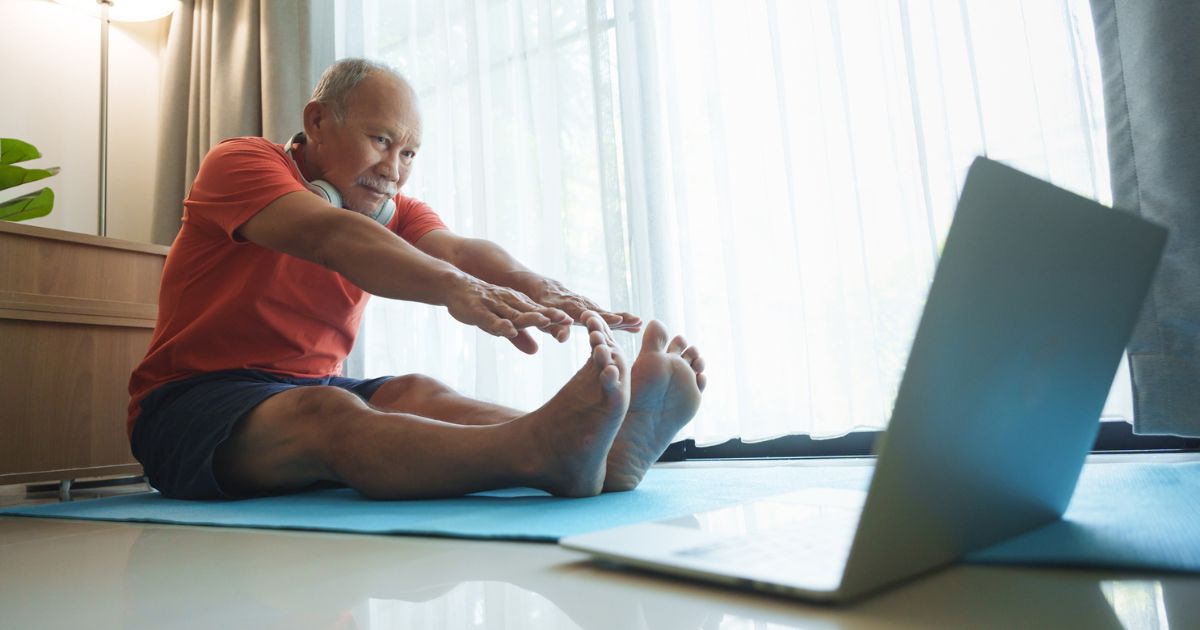
Movement does not have to mean marathons. Small, steady activity can make a meaningful difference in helping maintain your range of motion, balance, and strength.
Stretching for Daily Flexibility
Gentle stretching helps keep joints loose and reduces stiffness. Short routines in the morning or before bed are often the easiest to stick with.
Try movements that target the areas you use most during daily tasks. For example, these stretches help the body stay flexible and comfortable throughout the day.
- Seated leg lifts: Lift one leg at a time and hold for 3–5 seconds. Repeat 8–10 times per leg to build strength for standing and walking.
- Ankle rotations: Rotate each ankle slowly in both directions. Aim for 10 circles clockwise and 10 counterclockwise on each foot to support steady steps.
- Neck rolls: Slowly roll your neck from side to side. Do 5 slow rolls in each direction to loosen tight shoulder and neck muscles.
For more gentle ideas, see Easy Seated and Bed-Based Exercises for Seniors.
Balance and Coordination Exercises
Better balance means fewer falls and more confidence. These simple exercises require no equipment.
- Heel-to-toe walking: Walk in a straight line for 10–15 steps. Repeat 2–3 times to strengthen the balance needed for turning and walking on uneven ground.
- Supported single-leg standing: Hold a counter or sturdy chair and lift one foot slightly off the ground. Hold for 5–10 seconds. Repeat 3 times per leg to build hip and ankle stability.
Note: Always use a wall, counter, or chair for support. Safety comes first.
Incorporate Movement into Routine
Daily "micro-movements" keep the body active without feeling like formal exercise. These small habits support steadier mobility and make movement feel natural throughout the day.
- Stand up every 30 minutes: Staying upright for even 1–2 minutes helps circulation.
- Walk during phone calls: A few minutes of slow walking helps maintain leg strength.
- Complete light chores: Folding laundry or wiping counters for 5 minutes keeps joints moving.
- Stretch during TV breaks: One or two quick stretches every commercial break prevents stiffness.
For more ideas, read Exercises for Seniors.
Tools and Home Adjustments That Support Better Mobility
Using the right tools and setup, alongside daily exercise and other mobility solutions, supports steady and comfortable movement.
Mobility Aids
Canes, walkers, and grab bars give you extra support during everyday tasks. A cane can help with balance during short walks, while a walker offers more stability for those who feel unsteady on their feet.
Grab bars near toilets, showers, or beds make transfers safer and reduce the chance of slips. These tools are most effective when they fit your height and strength level.
Read How to Incorporate Mobility Aids into Daily Movement for more on using these devices to increase movement.
Non-Slip Mats and Better Lighting
Small home adjustments can prevent many common fall risks. These simple changes improve mobility by creating safer walking paths throughout the home.
Non-slip mats in bathrooms, kitchens, and entryways keep floors steady underfoot. Good lighting in hallways and staircases makes it easier to see obstacles, especially at night.
For more ideas, read Aging in Place: A Room-by-Room Guide to Preparing Your Home.
Supportive Footwear and Adaptive Furniture
Proper footwear provides a stable base for walking or standing. Shoes with firm soles, heel support, and non-slip bottoms help reduce wobbling and make each step more secure.
Adaptive furniture, such as raised toilet seats or chairs with sturdy armrests, also supports easier movement. These items help seniors conserve energy and feel more comfortable completing daily routines.
Together, these tools and adjustments create an environment that supports safer mobility.
Staying Motivated
When movement feels positive and manageable, you are more likely to stay active and build routines that support overall health and wellness.
Small, achievable goals make a big difference. A target like taking five extra steps, adding one more stretch before bed, or standing up a few extra times during the day helps build steady progress without feeling overwhelming.
These small wins add up and show that improvement is possible.
Celebrating progress is also important. Noticing small changes (like feeling steadier on your feet or having less stiffness in the morning) boosts motivation. Involving family members or caregivers adds encouragement and accountability that builds consistency.
It also helps to choose movement that brings joy.
Walking the dog, dancing to favorite music, gardening, or trying tai chi can all make exercise feel more enjoyable. When the activity feels meaningful, it becomes easier to repeat it day after day.

How Professional Support Can Help Maintain Mobility
When movement becomes painful or limited, professional care can guide recovery and prevent decline.
Physical Therapy for Seniors
Physical therapy for seniors focuses on exercises tailored to each person's needs and abilities. A therapist can help rebuild strength, improve coordination, and support better balance through steady, targeted movements. These sessions often address stiffness, pain, or weakness that make daily tasks difficult.
Therapists can also create custom home exercise plans. These plans provide clear steps you can follow so you can continue your progress at home.
Occupational Therapy
Occupational therapy supports functional movement that you use every day. This includes climbing stairs, bathing safely, getting dressed, or moving in and out of chairs.
By breaking these activities down into simple steps, occupational therapy helps you maintain your independence at home. It also teaches safer ways to move, which reduces the risk of falls and makes daily tasks feel more manageable.
In-Home Care and Mobility Assistance
In-home care offers hands-on support for anyone who requires additional assistance with mobility. Care providers can assist with guided stretching, safe transfers, short walks, and simple mobility routines that support daily strength.
Keystone Health uses a holistic approach that combines physical therapy with emotional support. This blend helps seniors feel safe, motivated, and understood as they work toward improved mobility.
Senior mobility solutions are most effective when they address both the body and the person's overall well-being, and in-home caregivers make that possible.
Keep Moving, Keep Living
Movement fuels independence, and independence fuels confidence. The key is consistency, paired with simple daily movements, safe home adjustments, and the proper support.
If you or a loved one needs assistance, Keystone Health's personalized senior care programs can help. Contact us online or call (208) 514-0670 today.

