
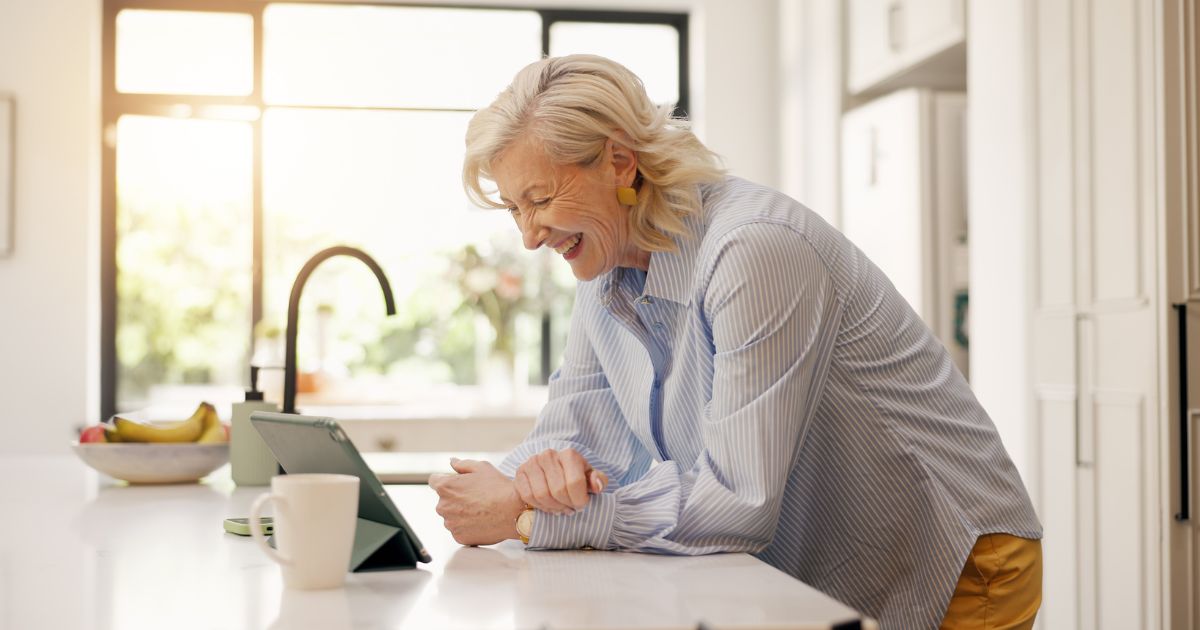
Home care technology is changing what it means to age in place. Today, seniors can stay in their own homes longer with tools that support safety, daily routines, and ongoing health needs. When used thoughtfully, home care technology supports independence without removing the personal care and human connection that matter most.
What Is Home Care Technology?
Home care technology includes devices, apps, and monitoring tools that help seniors stay safe, independent, and healthy at home. These tools support daily routines, track health changes, and make it easier for care teams and families to stay connected.
However, this technology does not replace the services of professional caregivers. Instead, it works alongside them. The result is a more complete picture of a senior's daily health, paired with the personal support only in-home care providers can give.
Why Technology Is Transforming Aging in Place
New tools make it easier to prevent emergencies, coordinate care, and support chronic conditions from home. With home care technology becoming increasingly common, seniors can remain in familiar surroundings while still receiving consistent attention from caregivers, clinicians, and family members.
Increased Safety Through Fall Detection and Smart Alerts
Many seniors want to stay independent, but safety concerns can make that difficult. Fall detection systems, motion sensors, and smart alerts help by monitoring sudden changes and sending notifications to caregivers.
These tools do not replace in-person support, but they create an early warning system that helps prevent small problems from becoming serious emergencies.
More Connected Support Between Families and Care Teams
Families often worry about not knowing how their loved one is doing day to day, especially if they're a long-distance caregiver. Remote health monitoring tools and caregiver dashboards help bridge that gap.
These systems provide real-time updates on activity levels, sleep patterns, medications, and other key health indicators. Care teams can review the information, respond more quickly when changes occur, and provide families with clearer insights.
This type of home health care technology provides everyone with a shared view of the person's well-being, making support more coordinated and reassuring.
What Types of Technology Support Seniors at Home?
A range of smart tools (from wearables to sensors) help reduce risk and support daily routines. These devices provide seniors with more freedom at home while giving caregivers clearer insight into their daily health and safety.
Remote Health Monitoring Devices
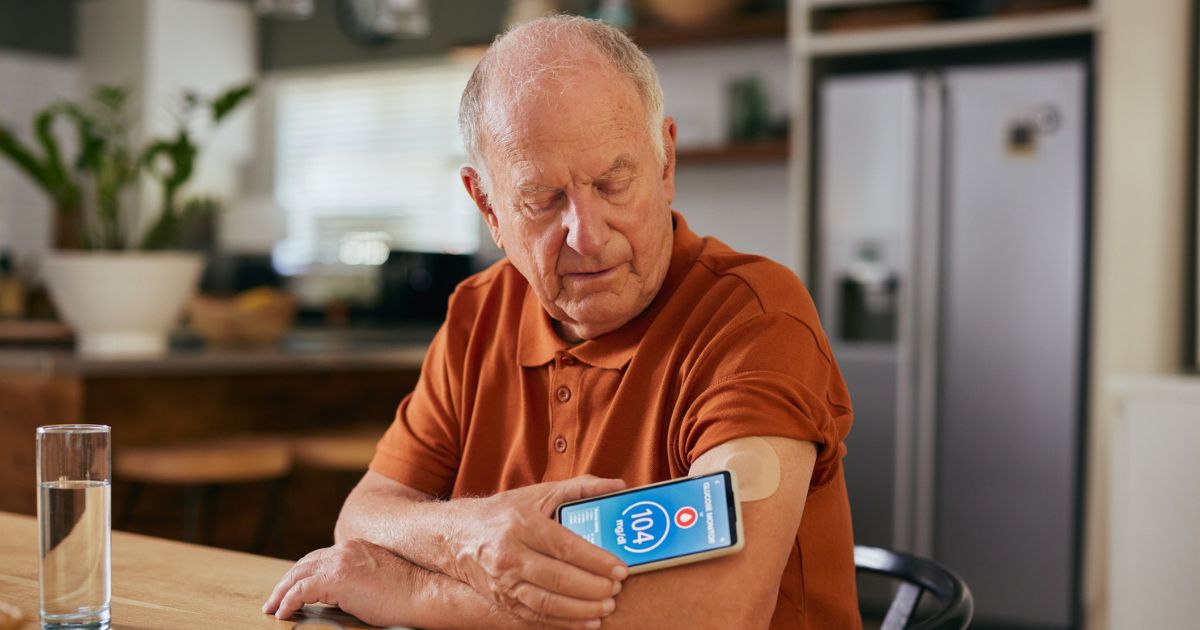
Remote health monitoring tools track important health information during everyday activities. These devices include vital sign trackers, digital blood pressure cuffs, and glucose or pulse oximeter tools that send readings to care teams.
This type of home care technology helps identify small changes early, which is especially beneficial for seniors managing long-term conditions.
Wearable Health Technology
Wearable health technology gives continuous insight into a senior's day. Smartwatches can track heart rate trends, step counts, and sleep patterns. Some devices include wearable fall detection features that send alerts if a hard impact occurs or if the wearer is unable to get up.
Activity and sleep trackers help caregivers understand daily routines and notice shifts that may signal health changes.
Smart Home Devices
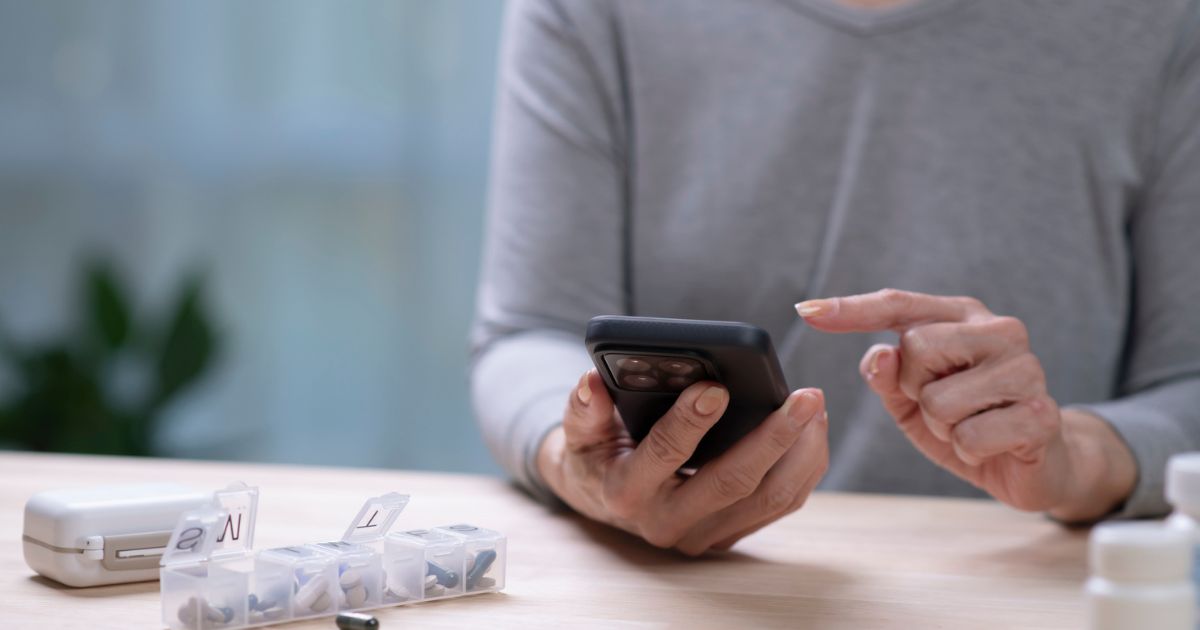
Smart home tools make daily living safer and easier. For instance, motion sensors automatically turn lights on to create safer pathways through the home. Voice assistants help with reminders, timers, and quick communication when someone needs help. Medication-dispensing devices provide accurate doses and send alerts if a dose is missed.
These tools support independence by reducing small risks that add up over time.
In-Home Safety Systems and Emergency Response Tools
In-home safety systems provide an additional layer of support. Home security sensors alert caregivers when doors or windows open unexpectedly. Smart smoke and carbon monoxide monitors send notifications to family members even when they are away. Bed-exit or wandering alerts help protect seniors who get confused at night or who have memory-related conditions.
These tools work together to form a safety net that helps seniors stay confident and comfortable at home.
For a deeper dive into these tools, read The Best Wearable Health Devices for Fall Detection, Tracking, and Daily Monitoring.
How to Choose the Right Home Care Technology for Your Needs
Begin with daily risks, existing medical conditions, and your level of comfort with technology. These points guide which tools will be most helpful and which features will actually get used.
The right setup should make life easier, not more complicated.
Identify Your Top Needs
Begin by considering what support matters most to you right now. If you experience balance issues, you may benefit from fall detection or smart lighting.
Someone managing chronic conditions may benefit from remote health monitoring tools that track blood pressure or glucose levels. If independence is the priority, voice assistants and medication reminders help maintain steady daily routines.
Matching the tool to the specific need makes each device more effective.
Consider Compatibility
Next, check how well each tool works with others. Devices should connect to apps you and your family can use easily, and the information should be accessible to care teams.
When technology works together, it reduces confusion and creates a clearer view of daily health.
Evaluate Subscription Costs
Some devices require monthly fees for data storage, caregiver dashboards, or emergency response services. Before choosing a tool, look at the total cost over time.
A device that appears inexpensive at first may become costly once subscriptions are factored in. Families often find the best value in tools that offer reliable support without unnecessary features.
When to Add Professional In-Home Care on Top of Technology
Technology supports safety and routine, but it does not replace personal care.
If you need help with bathing, mobility, medication management, or chronic health changes, adding professional in-home care creates a stronger support system. Caregivers can utilize data from home care technology to inform their daily tasks and respond to new needs more quickly.
If you are exploring in-home care for yourself or a loved one, Keystone Health can help you navigate options that fit your goals. Our care teams work alongside home care technology tools to create a plan that supports independence and comfort at home.
FAQ: Technology-Assisted Home Care
Is home care technology hard to learn how to use?
Most people adapt well when the tools are simple and built into familiar routines. Voice control, clear buttons, and easy apps help make learning quick. A short walkthrough from a family member or caregiver also makes the transition smoother.
What is the difference between a fall detector and a medical alert device?
A fall detector automatically senses a hard impact or sudden change in movement and sends an alert without the person needing to press any buttons.
A medical alert device typically requires the person to push a button for help. Many seniors use both to stay protected in different situations.
Are remote health monitoring devices accurate enough for use at home?
Yes, most remote health monitoring tools are designed for reliable home readings. When used correctly, the data they send helps care teams track trends and adjust treatment plans.
Technology Makes Aging in Place Safer and More Connected
Home care technology makes aging in place safer, more connected, and more manageable. When technology is paired with professional in-home care, it creates a balanced support system that adapts to changing needs.
Contact Keystone Health to learn how we can help you in taking the next step toward safer, more supported aging in place.

