
Staying active is one of the most important ways to maintain health, independence, and confidence. For many older adults, mobility aids like canes, walkers, wheelchairs, and scooters make that possible. However, these tools are more than safety devices. They are supports that help seniors stay active, remain engaged in daily life, and continue participating in the activities they enjoy.
Learning how to incorporate mobility aids into everyday routines transforms them from occasional helpers into valuable partners in health.
What Are Mobility Aids and Why Do They Matter?
Mobility aids are tools that make it easier for people to move around safely and comfortably. There are several common types of mobility aids you might see:
- Canes: A simple option for people who need just a little extra balance support. They are lightweight, easy to carry, and helpful for short walks or moving around the house.
- Walkers: These provide more stability than a cane. Walkers are a good choice if you need steady support for longer distances or want something that can handle uneven ground.
- Wheelchairs: Best for individuals who cannot walk long distances or at all. Wheelchairs make it possible to stay active in social settings, travel around the home, or go outdoors.
- Scooters: Battery-powered scooters are great for covering more ground without tiring. They can help seniors stay active in the community, like at the grocery store or a park.
The most important thing to know about mobility aids is that they are not meant to make someone less active. They are designed to help seniors keep moving, not to keep them sitting.
Using the right mobility aid can encourage safe exercise and continued independence. Instead of being a limitation, these devices serve as a bridge to a more active and confident life.
Combining Mobility Aids With Exercise
Mobility aids do not replace exercise, but they can make it easier and safer to stay active. By incorporating canes, walkers, or wheelchairs into simple routines, you can maintain a strong and flexible body.
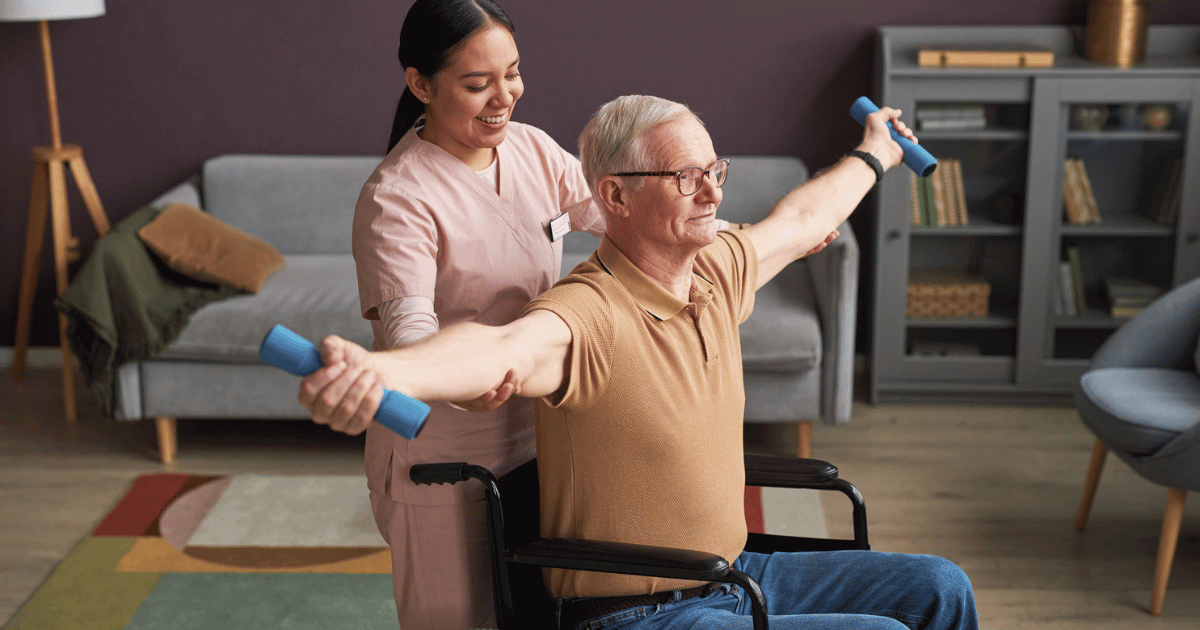
Chair-Based Stretches and Exercises for Wheelchair Users
A wheelchair can double as a stable base for movement. To loosen stiff joints, start with gentle stretches, like side bends, shoulder rolls, and ankle circles. Light resistance bands or small hand weights add variety and help build strength in the arms and legs.
These movements do more than ease stiffness. They also improve flexibility, support circulation, and make daily activities easier. For example, stronger arms and shoulders make it less tiring to transfer in and out of the chair or reach for items around the house.
Walking Routines With a Cane or Walker
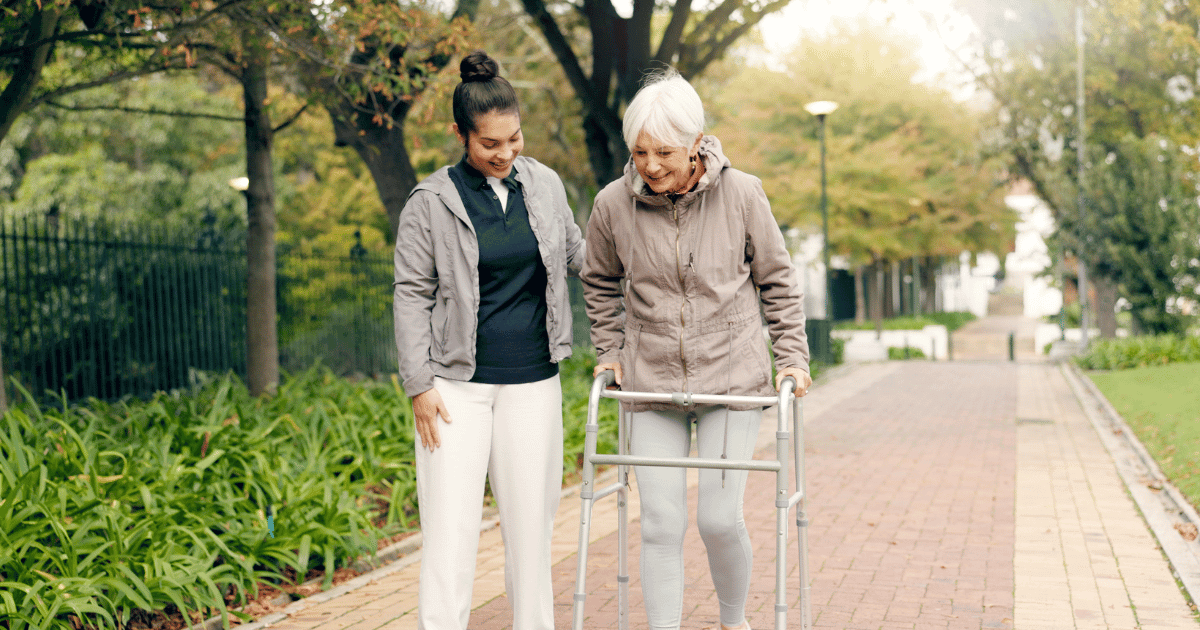
Mobility aids for walking turn daily steps into a steady exercise plan. Taking short, frequent walks with a cane or walker builds endurance without adding strain.
- Indoors, a few laps around the hallway or kitchen can boost confidence.
- Outdoors, a stroll to the mailbox, garden, or nearby park adds fresh air and sunlight.
The key is consistency. Even five minutes of walking several times a day makes a difference.
Over time, you can gradually increase the distance or time of each walk. Walking with a caregiver, friend, or family member also adds social connection, making sticking with the routine more enjoyable.
Low-Impact Exercises That Incorporate Mobility Aids
Canes and walkers are also great for use during exercise. Supported squats, standing heel raises, and seated marches are all safe options. Holding onto a walker or keeping a cane nearby helps provide balance while muscles strengthen.
These low-impact movements are easy on the joints while building strength and improving balance. Better balance lowers the risk of falls, and regular activity helps maintain independence.
Safety matters too, so it is essential to wear supportive shoes, clear the floor of clutter, and move at a comfortable pace.
Sample Daily Routine
Here is a simple way you can combine mobility aids with exercise throughout the day:
- Morning: Begin with five minutes of gentle chair stretches, such as neck rolls, side bends, and ankle circles.
- Midday: Take a short walk indoors with a cane or walker, such as a few laps through the hallway or kitchen.
- Afternoon: Do 10–15 seated marches or standing heel raises while holding onto a walker for balance.
- Evening: Enjoy a short outdoor stroll to the mailbox or around the yard, using a cane or walker for support.
These small steps add up. By spreading out movement throughout the day, you build strength, improve circulation, and stay active without feeling overwhelmed.
Tips for Making Mobility Aids Part of Daily Life
Mobility aids are most helpful when they feel like a natural part of the day. A few minor adjustments can make using them easier and more comfortable.
- Proper fit and setup: A cane, walker, or wheelchair should be adjusted to the user's height and needs. The right fit prevents strain on the back, shoulders, and wrists.
- Placement at home: Keep mobility aids in easy-to-reach spots. For example, place a walker near the bedside for safe nighttime trips or a cane by the front door for outdoor walks.
- Gradual introduction into routines: It can feel overwhelming to change habits all at once. Start small by adding short walks after meals or gentle stretches with support from a cane or walker. Building these steps into the day helps create a routine that feels natural and sustainable.
- Practice safe posture and gait: Using mobility aids correctly is as important as using them often. Stand tall, keep your shoulders relaxed, and take even steps. Maintaining a safe posture and gait reduces fatigue and lowers the risk of falls.
Promoting Strength and Confidence Through Movement
When used intentionally, mobility aids promote strength, activity, and independence. Make them part of your daily health routine so you stay mobile and enjoy greater confidence in every step.
Visit Keystone Health's Physical Therapy Services to learn more about incorporating daily movement into your routine to build health and vitality. Together, we can make mobility a part of everyday life!

