
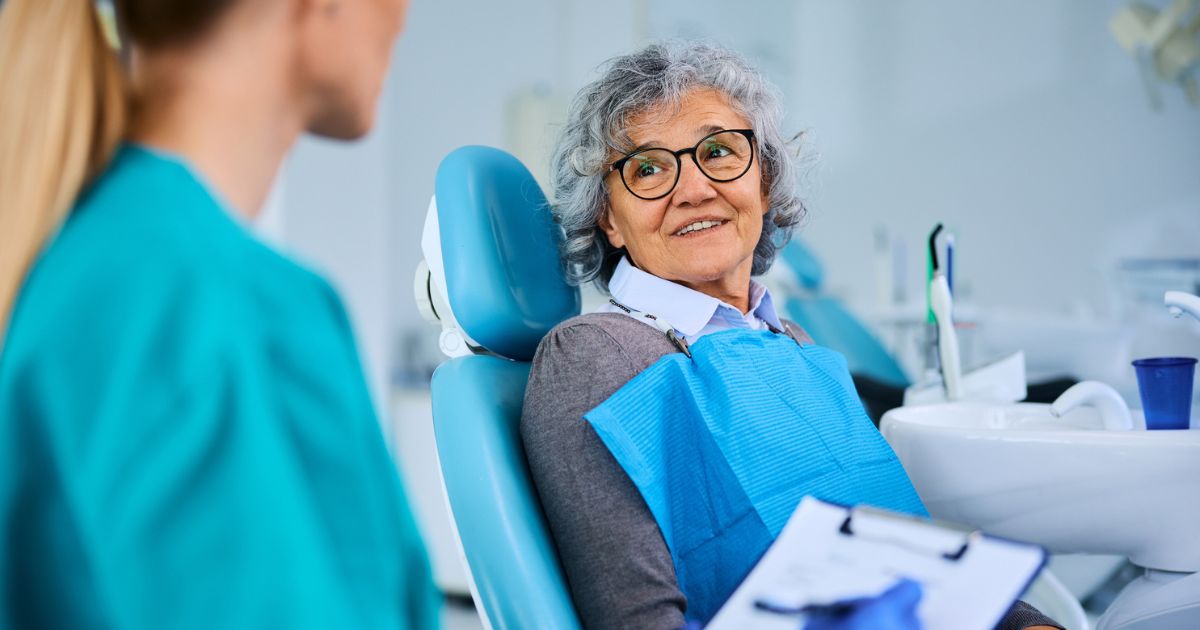
As our bodies age and change, so does the mouth. These changes make it easier for bacteria to build up and harder for the mouth to protect itself. Senior oral health focuses on maintaining healthy teeth, gums, and oral function as you age.
How Oral Health Changes With Age
Here are some common oral health challenges in seniors.
Gum Recession and Periodontal Disease
Gums often pull back slightly with age, which can expose tooth roots and make them more sensitive. This also creates spaces where bacteria can collect. Without regular care, this buildup can lead to periodontal disease, which is closely linked to heart health and diabetes management.
Tooth Decay Around Existing Restorations
Older fillings, crowns, and bridges wear down over time. Decay often forms around these areas, sometimes without obvious pain at first. Routine dental visits help catch these issues before they affect surrounding teeth or gums.
Dry Mouth Caused by Medications
Many medications commonly used by older people reduce saliva production. Saliva plays a key role in washing away bacteria and protecting tooth enamel. When the mouth stays dry, the risk of cavities, gum irritation, and infection increases.
Tooth Loss and Denture-Related Issues
Tooth loss is not a normal part of aging, but it is more common in older adults with a history of gum disease or untreated decay. Dentures for seniors can restore function, but they must fit well. Poorly fitting dentures cause sores, limit food choices, and increase the risk of infection.
Oral Health and Your Overall Wellness
Oral issues can affect the heart, blood sugar control, nutrition, and physical strength. This is why senior oral health belongs in broader care conversations, not just dental visits.
Gum Disease and Heart Health
Gum disease is a chronic inflammatory condition. When your gums are swollen or infected, bacteria can enter the bloodstream. This contributes to ongoing inflammation throughout the body.
Additionally, research shows a clear association between periodontal disease and cardiovascular health. Chronic oral infections place added stress on your heart and blood vessels, especially if you already have heart disease or risk factors such as high blood pressure.
Oral Health and Diabetes
Oral health and diabetes affect each other in both directions. Elevated blood sugar makes it easier for infections to develop in the gums. At the same time, untreated gum disease can make blood sugar levels harder to control.
Inflammation from periodontal disease can also interfere with insulin effectiveness. This leads to more frequent blood sugar fluctuations and increases the risk of complications. Addressing oral health is an essential part of stable diabetes management and not a separate concern.
Oral Health, Nutrition, and Strength
Pain, loose teeth, or missing teeth often change what you feel you can eat. Over time, limited food choices leads to poor nutrition. This affects your energy levels, immune response, muscle strength, and the ability to recover from illness or injury.
Supporting oral health helps you eat comfortably, maintain balanced nutrition, and preserve strength and independence.
Oral Health Tips for Seniors
Small, thoughtful adjustments make daily care more comfortable and help prevent larger problems over time.
Adjustments for Sensitive Gums
- Use a soft-bristled toothbrush and gentle pressure.
- Continue to brush twice a day to control bacteria without irritating the gums.
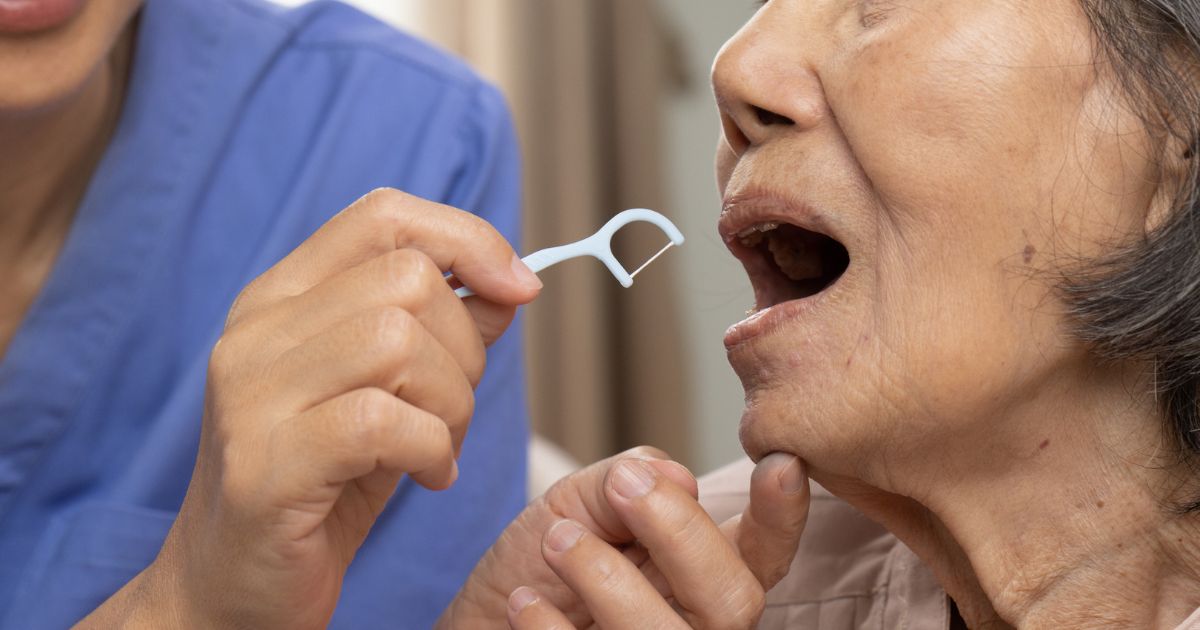
- If flossing feels difficult, interdental brushes or floss picks can be easier to manage. These tools still help clean along the gumline, where problems often begin.
Managing Dry Mouth
- Sip water throughout the day, especially during meals.
- Sugar-free lozenges or gum can also help stimulate saliva.
- Avoid alcohol-based mouth rinses since they make dryness worse.
- If dry mouth persists, a dental or healthcare provider can help identify medication-related causes and suggest supportive options.
When Oral Health Concerns Shouldn't Be Ignored
Many oral health changes are manageable when addressed early. Responding early supports better outcomes and reduces the need for more intensive care later.
- Persistent gum bleeding or swelling. Occasional irritation happens, but ongoing bleeding or swollen gums may signal infection or periodontal disease.
- Mouth pain or difficulty eating. Pain, sensitivity, or trouble chewing often leads to changes in food choices. Addressing the cause early helps protect nutrition and comfort.
- Sudden changes in breath, speech, or appetite. These changes are often subtle at first but can point to oral health issues.
- Signs of infection. Redness, warmth, pus, fever, or sores that do not heal should be evaluated.
How Home Health Support Can Improve Senior Oral Health
Home health support plays a quiet but meaningful role in protecting senior oral health.
- Assistance with daily routines – Home health professionals can help make daily oral care more manageable. This may include setting up supplies, offering reminders, or providing assistance when mobility or dexterity is limited. These small supports help maintain consistency without taking away control.
- Monitoring for changes or concerns – Because home health providers see seniors regularly, they are well-positioned to notice changes. Redness, swelling, complaints of mouth pain, or changes in eating habits can signal oral health concerns early.
- Coordinating dental and medical care – Oral health does not exist in isolation. Home health support helps connect dental care with overall medical needs, especially for seniors managing conditions such as diabetes or heart disease. Coordination reduces care gaps and supports a more complete health picture.
- Supporting independence while reducing risk – The focus remains on helping seniors do as much as possible on their own. Support is adjusted to meet changing needs while preserving dignity and autonomy. This approach reduces health risks while reinforcing confidence and daily independence.
At Keystone Health, oral health is viewed as part of preventive, whole-person care. With steady support and early attention, seniors can maintain comfort, nutrition, and wellness.
Prevention Starts With Everyday Oral Care
Small, steady care steps make a meaningful difference. Gentle daily routines, attention to changes, and regular professional care help prevent minor concerns from becoming larger health challenges.

